Style Sustainability: Rewear, Restyle, Repeat
Sustainable fashion is no longer just a buzzword; it’s a movement that redefines how we approach style. In a world where trends change rapidly, embracing sustainable practices is both a practical and mindful choice. One of the simplest and most effective ways to engage in sustainable fashion is through rewearing and restyling existing pieces. By maximizing the potential of your wardrobe, you reduce waste, save resources, and create fresh, inspiring looks without constantly buying new items.
The philosophy behind “rewear, restyle, repeat” is rooted in creativity and intentionality. It encourages a thoughtful approach to clothing, where each piece is valued for its versatility, quality, and ability to evolve. Sustainable style is about making what you already own work harder, proving that fashion doesn’t have to be disposable to be exciting.
The Power of a Versatile Wardrobe
A versatile wardrobe is the cornerstone of sustainable fashion. Core staples - clean tops, tailored trousers, simple outer layers, and minimal skirts - provide endless styling options. These foundational pieces serve as building blocks that can be combined, layered, and adapted to multiple settings.
Investing in quality basics allows each item to withstand frequent wear while maintaining its form and appearance. Versatile clothing not only supports sustainability but also elevates daily style, making it easier to create cohesive outfits with less effort.
Layering for Freshness
Layering is one of the most effective tools for restyling. By mixing textures, lengths, and silhouettes, a single item can take on multiple identities. A simple top can be worn under a structured jacket one day, layered over a minimal longline piece the next, or paired with relaxed bottoms for a casual look.
This approach adds depth and dimension to your wardrobe while keeping outfits dynamic. Thoughtful layering also allows for seamless transitions between environments, from professional settings to social occasions, without needing entirely new clothing.
Experimenting with Texture
Texture adds personality and versatility to restyled outfits. Combining smooth fabrics with subtle weaves or pairing soft layers with structured pieces transforms familiar items into fresh looks. Textural contrast draws the eye and enhances visual interest without relying on new purchases.
Using existing fabrics creatively can also highlight overlooked pieces in your wardrobe. By mixing textures and experimenting with combinations, you can breathe new life into items that may have otherwise been overlooked or underused.
Color Coordination
Color plays a pivotal role in rewearing and restyling. Thoughtful color combinations can make an old piece feel entirely new. Muted tones, rich neutrals, and subtle contrasts form the foundation of a versatile wardrobe, while occasional pops of brighter hues add energy and personality.
Repeating tones across layers or pairing complementary shades can unify an outfit, creating cohesion even when using familiar pieces. Strategic color use enhances visual appeal and reinforces the idea that sustainability doesn’t mean sacrificing style.
Creative Pairing
Restyling is about discovering new ways to combine items. Pairing unexpected pieces can elevate an old garment and create a sense of novelty. For example, structured tops can be matched with relaxed bottoms, flowing layers can be combined with clean-cut pieces, and minimal staples can be enhanced with dynamic outer layers.
This experimentation encourages resourcefulness and allows you to rediscover your wardrobe. Creative pairing transforms routine outfits into exciting ensembles, demonstrating that style is driven by imagination, not consumption.
Maintenance and Longevity
Sustainable style is also about caring for your clothing. Proper maintenance - gentle washing, careful folding, and mindful storage - prolongs the life of each piece, allowing it to be reworn and restyled multiple times. Attention to longevity reduces waste and ensures that garments remain functional and presentable.
A well-maintained wardrobe encourages experimentation. When pieces are kept in good condition, they can be confidently restyled, layered, and paired in new ways, supporting the sustainable fashion cycle of rewear, restyle, and repeat.
Building Personal Style
Engaging in sustainable practices helps cultivate a stronger personal style. By focusing on rewearing and restyling, you develop an intimate understanding of your wardrobe’s potential. This process fosters creativity, confidence, and intentionality in daily dressing.
Rather than chasing fleeting trends, sustainable style emphasizes timelessness, versatility, and adaptability. Your wardrobe becomes a toolkit for self-expression, where each piece has multiple lives and a purpose beyond a single outfit.
Trending Topics
Stay Trendy with Our Latest Insights
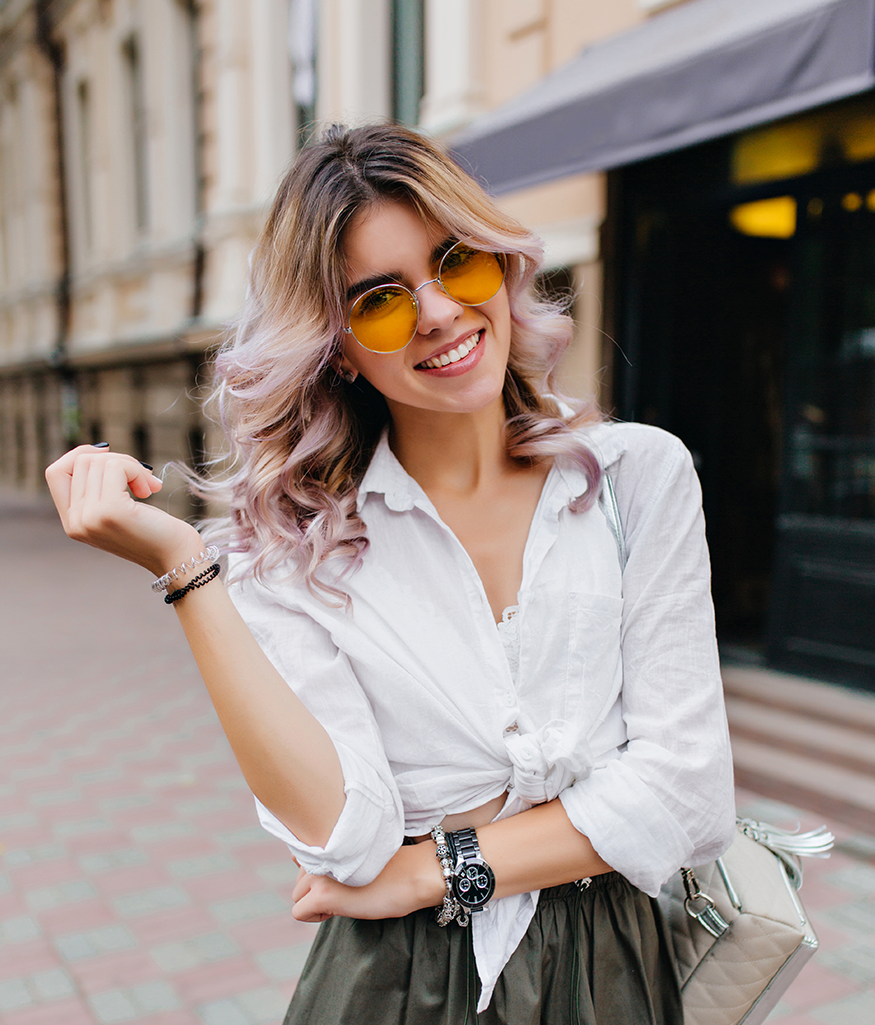
Guide to Dressing Sharp Every Day
It’s the art of turning everyday clothing into statements of style without effort or exaggeration. Achieving a polished look every day doesn’t require complexity. Instead, it relies on a foundation of clean lines, thoughtful fit, and cohesive color palettes. When mastered, it transforms simple routines into deliberate expressions of personal style.
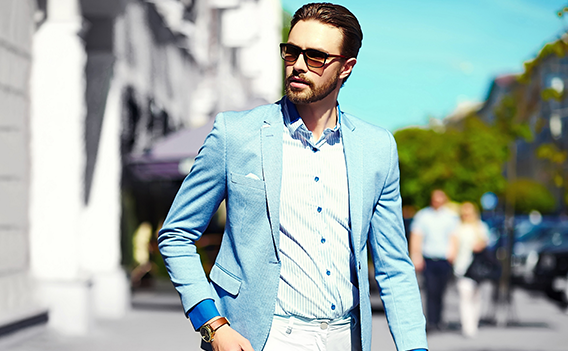
How to Layer Like a Pro: Men’s Edition
Layering is one of the most powerful tools in a man’s wardrobe. Done well, it transforms simple pieces into sharp, dynamic outfits that feel intentional and versatile. Done poorly, it can create bulk, imbalance, and confusion. The key is understanding structure, proportion, texture, and tone - combining them to create outfits that are functional, stylish, and expressive.
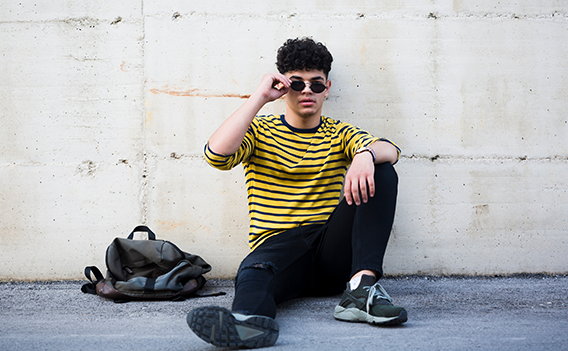
The New Gentleman: Redefining Men’s Streetwear
Modern men’s streetwear has evolved into something more refined - a seamless blend of urban energy and understated sophistication. The new gentleman of street style is no longer defined solely by logo-driven pieces or loud combinations. Instead, he embraces structure, texture, and intention.